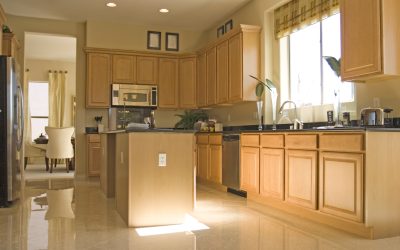
A well-planned kitchen renovation in Phoenix AZ does not have to end in cost shock. The difference between a project that stays on budget and one that spirals usually comes down to how thoroughly scope, permitting, and material lead times are addressed before demolition begins.
What a Phoenix Kitchen Renovation Actually Costs
Cost ranges for Phoenix kitchen projects vary significantly depending on scope. A Phoenix kitchen remodel typically costs between $22,000 and $75,000, with most mid-level projects coming in between $32,000 and $55,000. Your investment depends on the size and layout of your kitchen, the quality of materials you choose, and the complexity of any structural or utility upgrades.
The single biggest cost variable is whether you are moving plumbing and walls, or keeping the existing layout. Keeping the footprint intact almost always costs less and takes less time. Here is a general breakdown of what each tier typically involves:
| Renovation Tier | Typical Scope | Approximate Cost Range |
|---|---|---|
| Cosmetic refresh | Cabinet refacing, countertops, fixtures, backsplash — layout stays the same | $15,000 – $30,000 |
| Mid-range remodel | New cabinetry, stone countertops, flooring, minor layout changes | $32,000 – $55,000 |
| Full gut renovation | New layout, structural updates, plumbing and electrical relocation | $65,000 – $125,000+ |
Cabinets and countertops are the largest line items in a kitchen remodel. Labor share rises on gut renovations that move plumbing or electrical, and falls on cabinet-and-counter refreshes.
Permits, Licensing, and Why They Affect Your Budget
Skipping permits or hiring an unlicensed contractor is one of the fastest ways to turn a renovation into a financial liability. Kitchen remodeling in Phoenix often necessitates permits for electrical, plumbing, or structural work. The Arizona Registrar of Contractors requires that any project exceeding $1,000 in combined labor and materials be performed by a licensed contractor — a threshold nearly every kitchen renovation crosses.
Residential property owners using a licensed contractor have significant protections not available to persons hiring unlicensed entities. Among them is the ability to file a complaint against the contractor’s license within a two-year period from the date of occupancy or the date the last work was performed.
Permit fees themselves add to the budget. Expect a permit fee of 0.5% to 2% of project valuation, plus a plan review fee that is typically 65% of the permit fee. Factor this into your estimate from the start rather than treating it as an afterthought.
The Hidden Costs That Catch Phoenix Homeowners Off Guard
Several line items consistently surprise homeowners who did not account for them during planning:
- Behind-wall conditions. Older Phoenix homes may have outdated wiring, galvanized plumbing, or water damage behind cabinets. Discovering these mid-project adds labor and material costs that were not in the original bid.
- Material lead times. Custom cabinetry and specialty countertops can take weeks to arrive. Delays extend the project timeline and may increase labor costs if trades must be rescheduled.
- Appliance coordination. Services like appliance coordination and inspections are part of a structured kitchen remodel process — but if appliances arrive late or are incompatible with existing utility rough-ins, the schedule shifts.
- HOA requirements. Some Phoenix-area communities require design approval before work begins. Skipping this step can result in required changes after installation.
A typical kitchen remodel in Phoenix takes between six and ten weeks. The duration depends on the project’s size, scope, permitting requirements, availability of materials, and whether any walls or utilities are being relocated.
How to Build a Budget That Holds
A realistic budget starts with a detailed scope document before any contractor is hired. Locking in countertop choices, cabinetry configurations, and electrical or plumbing modifications during the design phase means pricing can be confirmed before demolition begins — not after.
Three practical steps that protect your budget:
- Get itemized bids. A line-item bid lets you compare labor and material costs separately, making it easier to spot where estimates differ.
- Set a contingency. Reserve 10 to 15 percent of the total budget for unexpected conditions. This is not pessimism — it is standard practice for any renovation involving walls or utilities.
- Sequence the work correctly. The renovation process begins with a consultation and planning phase, followed by design coordination and obtaining permits. Next comes construction, inspections, and final punch-list work, culminating in a final walkthrough.
- Frequently Asked Questions
Do I need a permit for a kitchen remodel in Phoenix? Kitchen remodeling in Phoenix often necessitates permits for electrical, plumbing, or structural work. Cosmetic updates that do not touch utilities may not require a permit, but any structural or systems work will.
Can I stay in my home during a kitchen renovation? Yes, homeowners can remain in their homes during kitchen remodeling in Phoenix, AZ. Plan for limited cooking access and set up a temporary food prep area to reduce daily disruption.
What is the best way to control costs on a kitchen remodel? Keep the existing plumbing and electrical layout wherever possible, finalize all material selections before construction starts, and build a 10 to 15 percent contingency into your budget from day one.
How do I verify a contractor is licensed in Arizona? When hiring a licensed contractor, always check the license at www.roc.az.gov and call the phone number listed on the license to make sure the person you are negotiating with is an authorized representative of the company.
A kitchen renovation is one of the more complex home projects a Phoenix homeowner can take on, but a well-structured budget removes most of the risk. If you are ready to move from planning to execution, Prime Builders manages the full process — from design coordination and permitting through construction and final walkthrough — so that scope, schedule, and cost stay aligned from the first conversation to the last inspection.