• Metal roofing typically lasts 40 to 70 years, far outpacing asphalt shingles, while reducing cooling costs through high solar reflectivity.
• Correct panel selection, fastening method, and underlayment are what determine long-term performance, not just the metal type.
• Routine inspections and prompt sealant touch-ups prevent most of the premature failures homeowners experience.
Homeowners researching metal roofing want a straightforward answer: how long it lasts, what installation involves, and how to keep it performing for decades. A metal roof, when installed correctly with the right panel profile and fastening system, can protect a home for 40 years or more while cutting cooling costs through reflective coatings.
Choosing a qualified supplier matters as much as the material itself. Sourcing Metal Roofing in Chicago panels and trim from a fabricator that understands tolerances, finishes, and regional climate demands reduces the risk of leaks, oil-canning, and premature coating failure. Suppliers who stock both panels and the accessories needed to finish a job correctly, such as fasteners, sealants, and underlayment, give installers fewer reasons to substitute mismatched parts mid-project.
What Makes Metal Roofing a Durable Choice
Metal panels outperform traditional materials largely because of their resistance to weather extremes and their coating technology.
• Steel and aluminum panels typically last 40 to 60 years, while copper and zinc can exceed a century with proper care, according to a 2025 roofing lifespan comparison.
• Reflective finishes reduce solar heat gain, with industry sources noting metal roofs can reflect a large share of incoming sunlight compared to dark asphalt shingles.
• Properly engineered systems resist high wind, hail, and fire better than many conventional roofing materials, a factor increasingly cited by This Old House’s 2025 roofing statistics report.
Panel Types and Common Applications
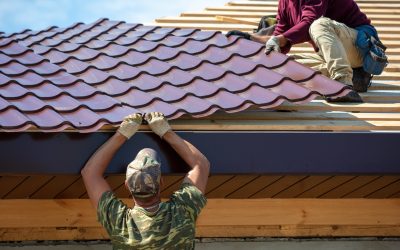
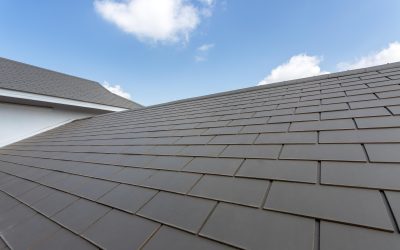
Not every metal roofing profile suits every structure. Steep-slope residential projects commonly use standing seam or exposed-fastener panels, while architectural applications may call for flat lock tiles or custom-formed trim.
|
Panel Type |
Typical Use |
Maintenance Needs |
|
Standing seam |
Steep-slope residential roofs |
Low; concealed fasteners reduce leak points |
|
Exposed fastener |
Budget-conscious residential and agricultural |
Moderate; fastener washers need periodic checks |
|
Flat lock tile |
Architectural, custom residential facades |
Low; depends on solder and seam quality |
|
Corrugated panel |
Secondary structures, outbuildings |
Moderate; exposed laps need sealant upkeep |
Installation Considerations Homeowners Should Know
Metal roofing installation is not a simple panel swap over existing shingles in most cases. Proper preparation protects the investment for decades.
1. Deck inspection first. Installers should confirm the roof deck is sound and free of rot before any panels go down.
2. Underlayment selection. A high-temperature synthetic or ice-and-water shield underlayment prevents condensation issues beneath metal panels.
3. Fastening method. Concealed-fastener systems like standing seam reduce long-term leak risk compared to exposed screws.
4. Edge and trim details. Properly fabricated edge metal, often built to ANSI/SPRI ES-1 standards, keeps wind and water from compromising roof perimeters.
5. Ventilation. Adequate attic or above-sheathing ventilation helps metal roofs perform at their stated energy-efficiency levels, a point reinforced by the U.S. Department of Energy’s guidance on cool roofing .
Maintenance Practices That Extend Roof Life
Metal roofs require far less upkeep than asphalt, but they are not maintenance-free.
• Inspect fastener heads and sealant joints twice a year, particularly after severe storms.
• Clear debris from valleys and gutters to prevent trapped moisture against panel seams.
• Watch for scuffed coatings near walked areas, since exposed bare metal can corrode faster than coated surfaces.
• Address minor dents or scratches promptly with manufacturer-approved touch-up coatings to preserve the finish’s protective layer.
A fabricator with decades of combined experience in metal fabrication and commercial roofing can help homeowners and contractors source correctly profiled panels and compliant edge systems for these repairs, rather than relying on generic hardware-store substitutes.
Frequently Asked Questions
How long does a metal roof actually last on a typical home? Most residential metal roofs last between 40 and 70 years depending on the metal type and coating system, according to This Old House’s 2025 roofing data.
Does metal roofing really lower energy bills? Reflective metal panels reduce solar heat gain, and some industry sources report cooling cost reductions in the range of 10 to 25 percent depending on climate and panel finish.
Can metal roofing be installed over an existing roof? In many cases, yes, provided the existing deck and structure are sound, though a professional inspection should confirm this before installation begins.
What is the biggest maintenance mistake homeowners make? Ignoring small sealant cracks or loose fasteners is the most common issue, since minor gaps can allow moisture infiltration long before visible leaks appear indoors.
Metal roofing remains one of the more durable, energy-conscious choices available to homeowners planning a long-term roof investment. Selecting the right panel profile, confirming proper installation detailing, and staying consistent with seasonal inspections are what separate a roof that performs for decades from one that underdelivers. Sheet Metal Supply Ltd, a Chicago-area fabricator with decades of combined experience in architectural and commercial-grade metal products, supplies the panels, trim, and accessories contractors need to complete these projects correctly. Homeowners and contractors researching panel options or edge-system compliance can Visit Website to review current product offerings before starting a roofing project.