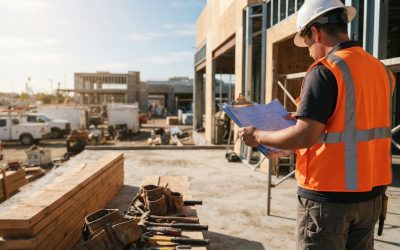
Across the United States, the demand for reliable and efficient infrastructure continues to grow, from expanding telecommunication networks to upgrading energy systems and improving public utilities. As projects become increasingly complex, organizations are searching for effective ways to manage large-scale deployments with minimal disruption and optimized costs. For those seeking comprehensive solutions in this field, Osp construction is a key search phrase that leads to industry leaders skilled at streamlining every phase of infrastructure development.
Comprehensive Project Management
One of the primary ways infrastructure projects are streamlined is through robust project management. Companies specializing in this area offer end-to-end oversight, ensuring every stage—from initial planning to final implementation—is executed seamlessly. This holistic approach includes:
• Detailed site assessments: Early evaluation to identify potential challenges and opportunities, enabling proactive planning.
• Permitting and compliance: Navigating local, state, and federal regulations to avoid delays and ensure all work meets legal standards.
• Resource coordination: Efficient allocation of labor, equipment, and materials to keep projects on schedule and within budget.
By centralizing these responsibilities, organizations can reduce miscommunication, minimize errors, and accelerate project timelines.
Advanced Technology Integration
Modern infrastructure projects demand the integration of advanced technologies for both efficiency and quality. Construction teams utilize the latest tools to enhance every aspect of the build process:
• GIS mapping and data analytics: Accurate mapping and data-driven decision-making facilitate precise planning and execution.
• Automated machinery: Utilization of state-of-the-art equipment improves installation speed, safety, and consistency.
• Remote monitoring: Real-time project tracking allows for quick adjustments and immediate responses to unforeseen issues.
Embracing these innovations not only streamlines workflow but also improves the long-term performance and reliability of the completed infrastructure.
Focus on Safety and Sustainability
Safety and sustainability are central to successful infrastructure projects. Expert construction teams implement comprehensive safety protocols, including:
• Rigorous employee training and certification
• Frequent on-site inspections and risk assessments
• Use of environmentally responsible materials and methods
By prioritizing these factors, projects not only comply with regulatory requirements but also support long-term community well-being and environmental stewardship.
Collaboration and Communication
Effective collaboration among stakeholders is crucial for successful project delivery. Construction providers facilitate clear communication channels between engineers, contractors, clients, and regulatory bodies. This ensures that:
• Expectations are aligned from the outset
• Issues are resolved swiftly
• Progress is transparently reported to all parties
Open lines of communication help prevent costly misunderstandings and foster a cooperative working environment.
Scalability and Adaptability
Infrastructure needs vary widely across regions and sectors. Leading construction teams are equipped to handle projects of any size, from small municipal upgrades to vast national rollouts. Their ability to adapt to changing project scopes, regulatory environments, and technological advancements ensures that clients receive tailored solutions that meet their specific needs.
Streamlining infrastructure projects across the United States requires a combination of strategic planning, technological innovation, safety and sustainability focus, and effective communication. When organizations search for effective ways to manage complex deployments, utilizing the expertise found through targeted search phrases can make all the difference in achieving on-time, on-budget, and future-ready results. As the demand for improved infrastructure continues to rise, embracing these streamlined practices will remain essential to building resilient and efficient systems nationwide.