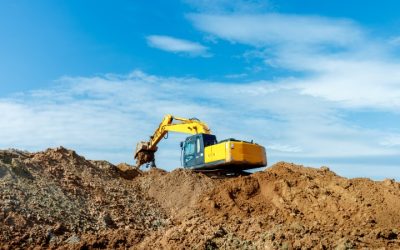
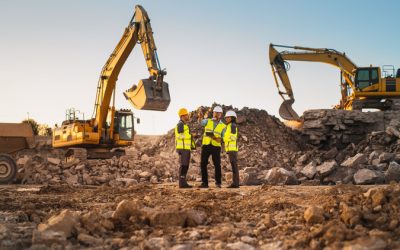
Land clearing is easier to manage when the finished property has a clear purpose. In Warner Robins, an overgrown parcel might need room for a home, an access path, a larger yard, or another planned use. Instead of treating the job as a race to remove vegetation, owners can think about which parts of the property need to change and which parts are worth keeping. That approach creates a more deliberate clearing plan.
For anyone comparing land clearing warner in Robins, GA, a site assessment is a useful starting point. The assessment should consider vegetation density, tree size, terrain, access, structures, fences, drainage, and preservation areas. These conditions affect equipment movement and the amount of work involved. They also give the owner a chance to explain priorities before the clearing process begins.
One decision is whether the project should be broad or selective. A completely open area may make sense for certain development plans, but wooded edges can still have practical value. Mature trees can contribute shade and privacy, and retained vegetation can help a property feel less exposed. Selective clearing provides an option for opening specific areas without treating the entire parcel as a blank slate.
Access planning can determine how smoothly the work proceeds. Equipment needs adequate room to enter, turn, and reach the work zone. Gates, narrow driveways, overhead branches, soft soil, and slopes may require a different sequence. Discussing those conditions in advance helps reduce avoidable delays and makes it easier to protect nearby structures or areas outside the intended clearing footprint.
The vegetation itself may contain several different challenges. Brush and vines can make larger trees difficult to reach, while fallen trunks can obstruct movement. Dense young growth can also hide the ground. Depending on the site, vegetation can be processed on location, which may reduce loose piles. The exact method should be based on what is present and what the owner wants the property to look like afterward.
After clearing, do not assume the site is automatically construction-ready. The newly exposed ground may reveal uneven areas, drainage concerns, stumps, or other conditions that require separate attention. If construction is planned, the owner should coordinate clearing with any additional site-preparation needs. Thinking about these phases together can make the overall project more predictable.
Communication is especially important on larger parcels. Property owners should identify boundaries, trees to preserve, preferred access routes, and any structures or features that need special attention. When those instructions are clear, the crew can organize the work around them. It also gives everyone a common understanding of what the project is intended to accomplish.
The best clearing result is not simply the least vegetation possible. It is a property that supports the owner’s next objective while retaining the features that still have value. Vaquero Landworks can help Warner Robins property owners approach clearing with that balance in mind, from initial scope through the finished condition.
Clear expectations at the beginning make the rest of the project easier to manage and easier to evaluate. Before work starts, write down the outcome that matters most, the areas that need attention, and any conditions that could change the sequence. That small amount of preparation can make later decisions simpler because everyone is working from the same understanding of the project.
The practical details matter because a good result should fit the property, process, or people involved rather than follow a generic formula. Take time to identify constraints early, especially where access, timing, information, or preservation is important. A realistic plan leaves room for normal changes while keeping the main objective clear.
A thoughtful plan also makes it easier to recognize which decisions need professional input and which can be handled during routine planning. That distinction saves time and keeps the project focused. When the important questions are identified early, conversations with a contractor, consultant, photographer, clinician, or service provider can be more specific and more useful.
It is also helpful to keep the final goal visible throughout the process. A project can accumulate small decisions that seem reasonable individually but do not necessarily improve the finished result. Returning to the original purpose provides a simple test: does this step solve a real need, improve the experience, or protect something important? If not, it may deserve another look.
Frequently Asked Questions
Should I clear my entire Warner Robins property?
Not necessarily. Clearing only the areas needed for a specific purpose can preserve wooded sections and may make the project more focused.
What affects a land-clearing project?
Property size, vegetation density, terrain, equipment access, structures, debris, and selective-preservation requirements can all affect the scope.
Can a clearing project leave trees in place?
Yes. When appropriate, a project can be planned around selected mature trees or wooded borders.